
Interactive Sound Sculpture: Robot Co-Created by Bees, Imitates A Plant Mimicking Other Organisms, Tricks You Into Caring
[Top Video] “The Translation Machine” & [Bottom Video] The Making Of “The Translation Machine”
Interactive Sound Sculpture & Co-Creation With Bees by Daric Gill
What It Is & How It Works
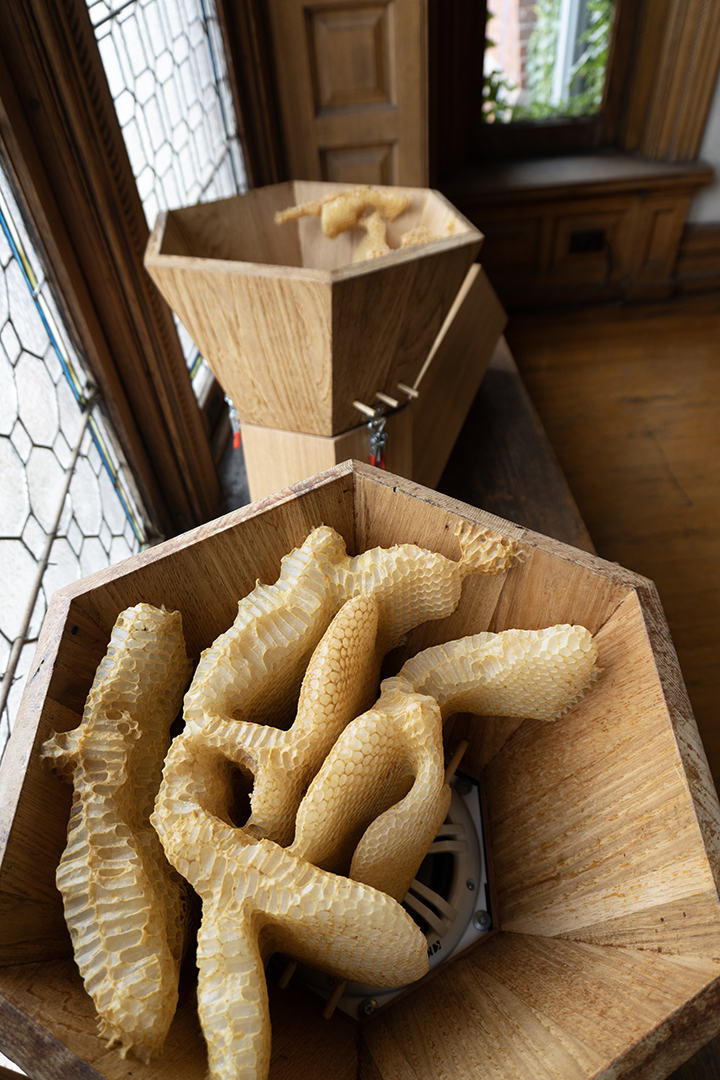
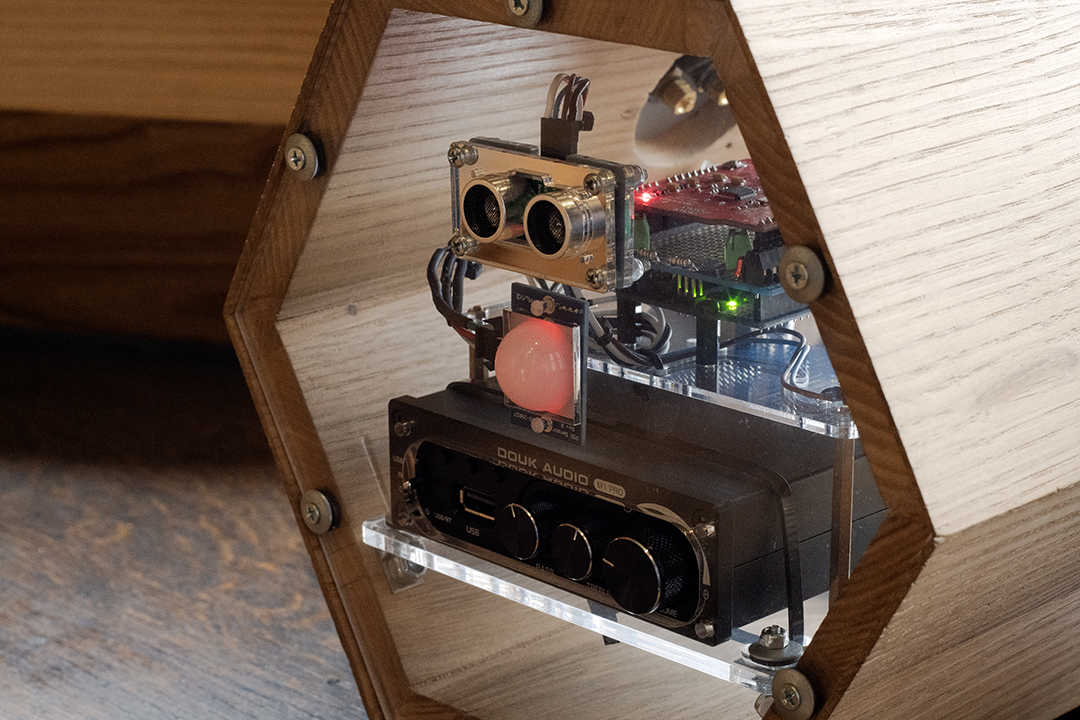
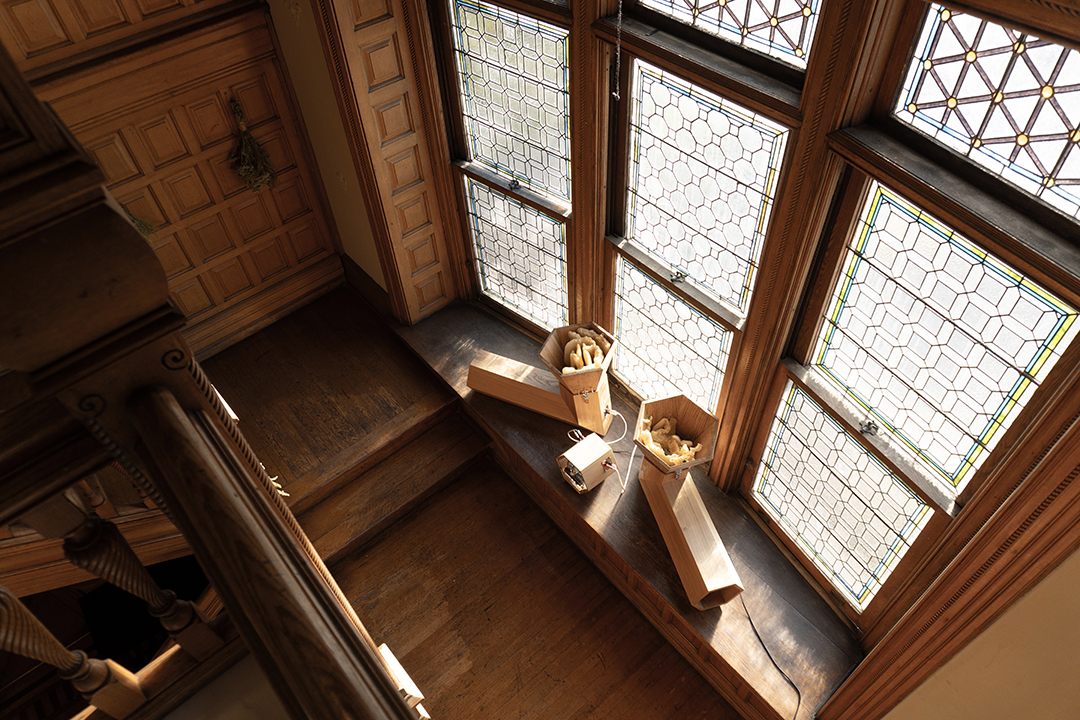
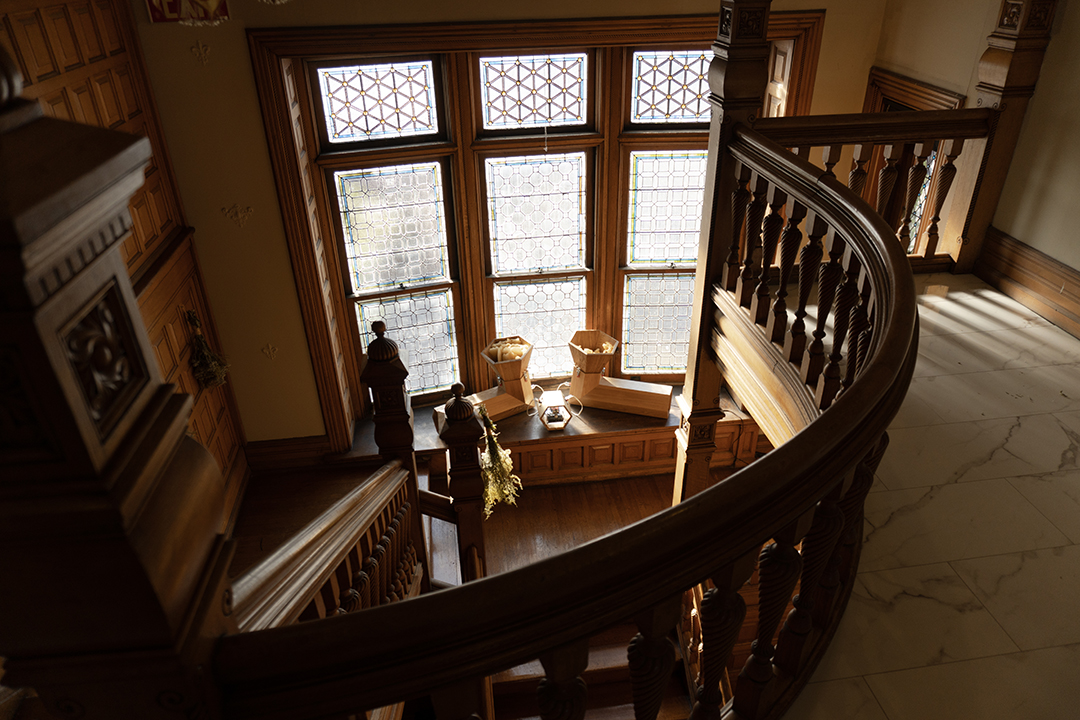
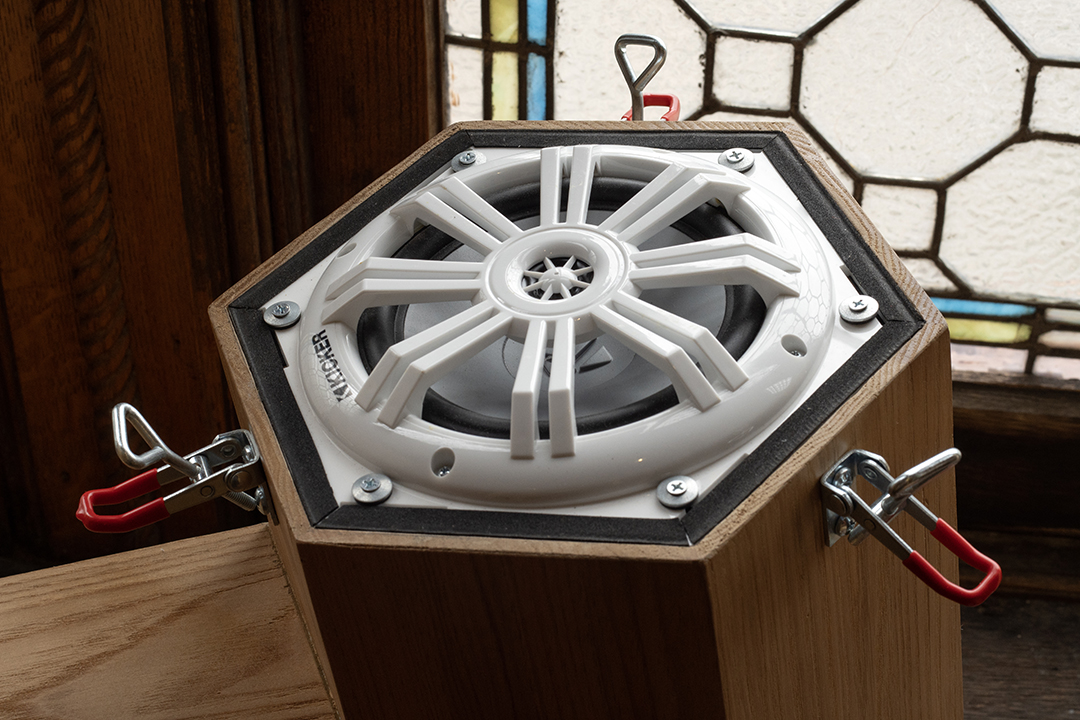
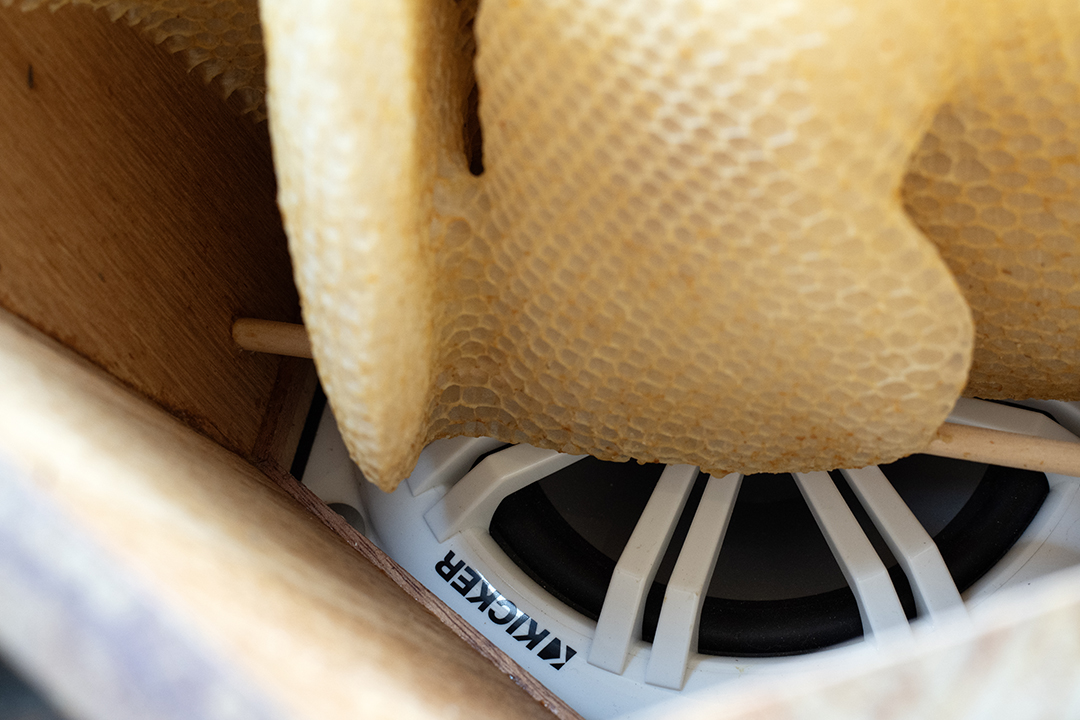
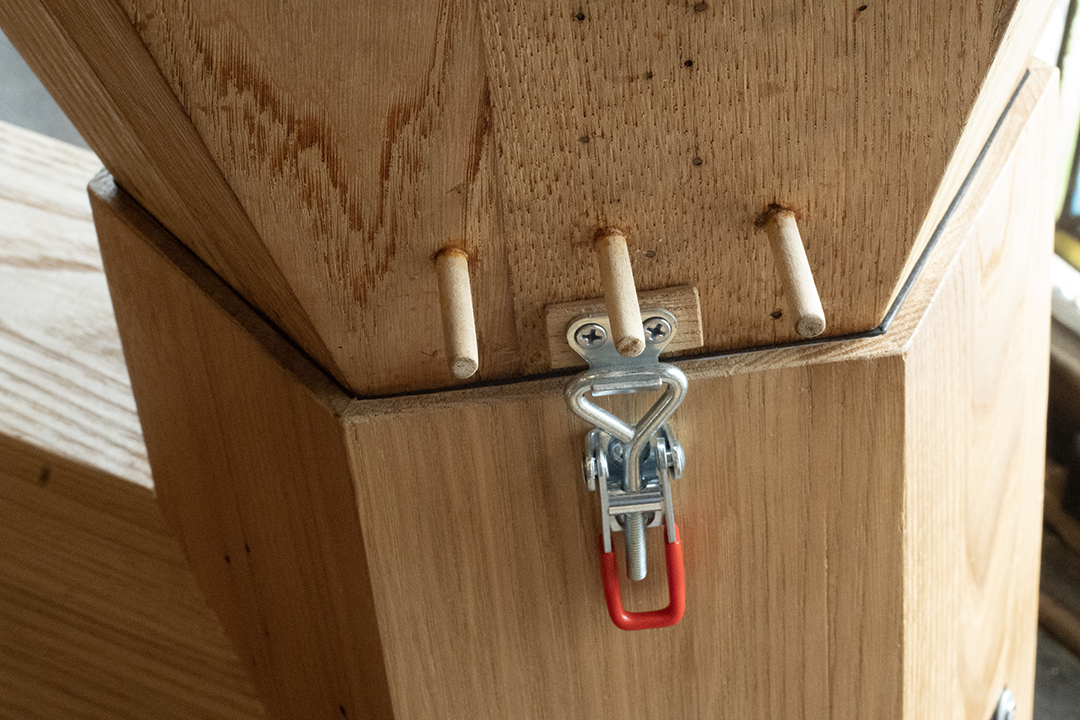
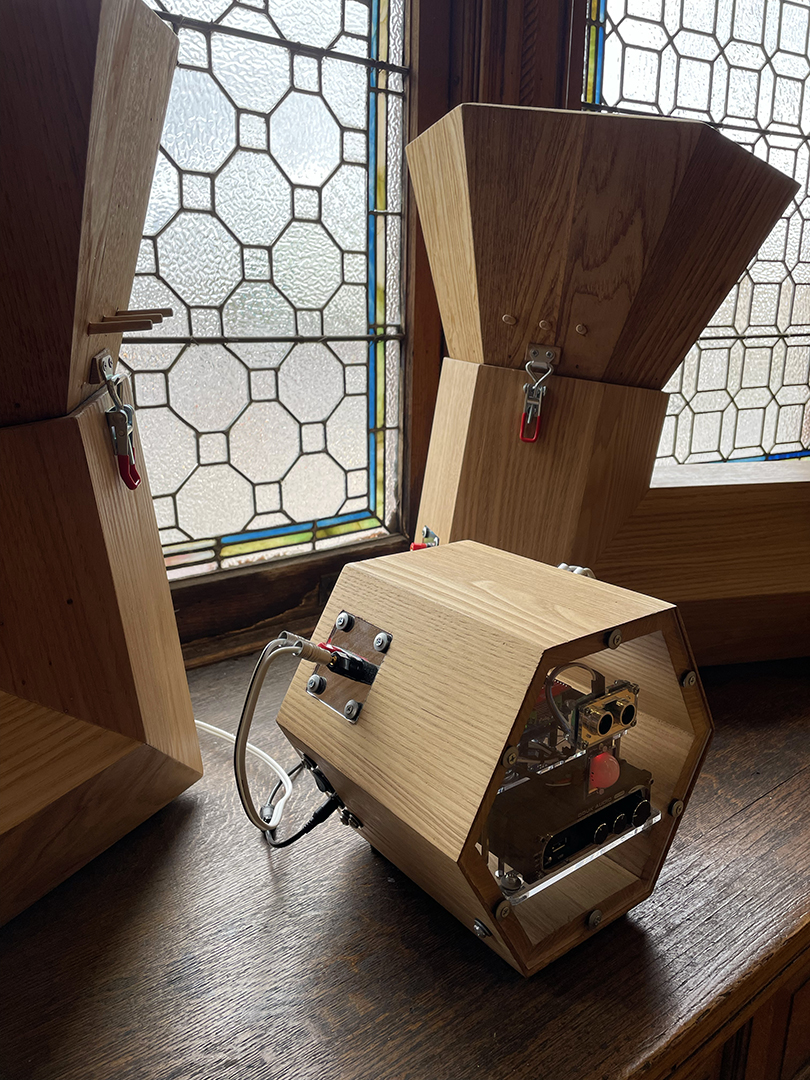
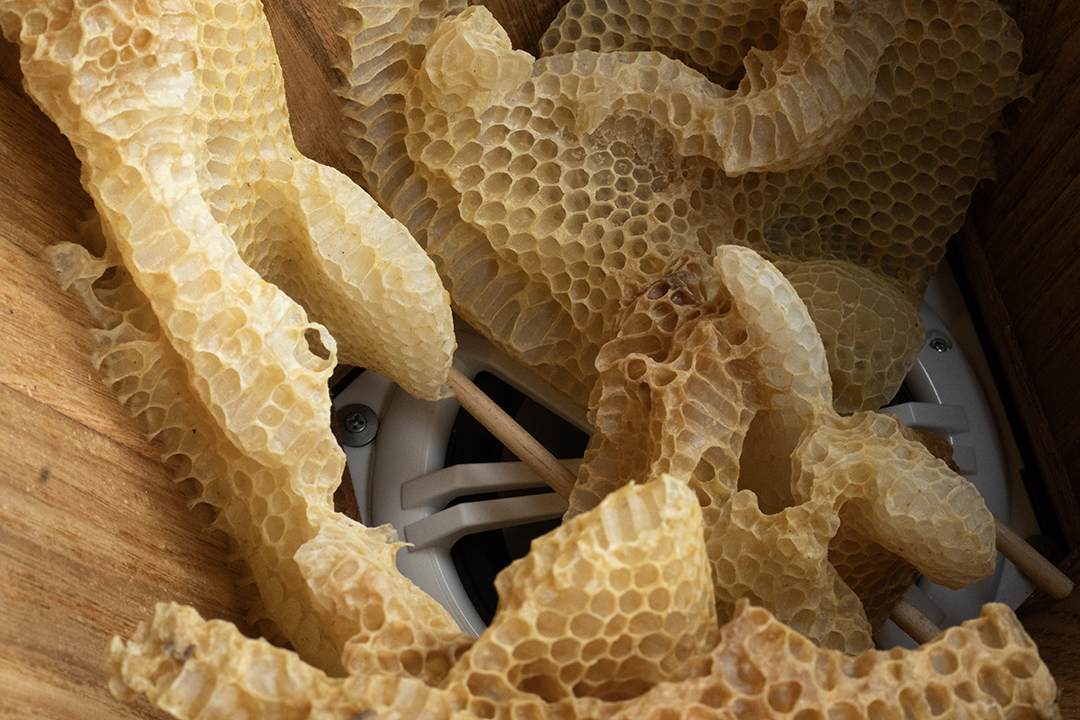
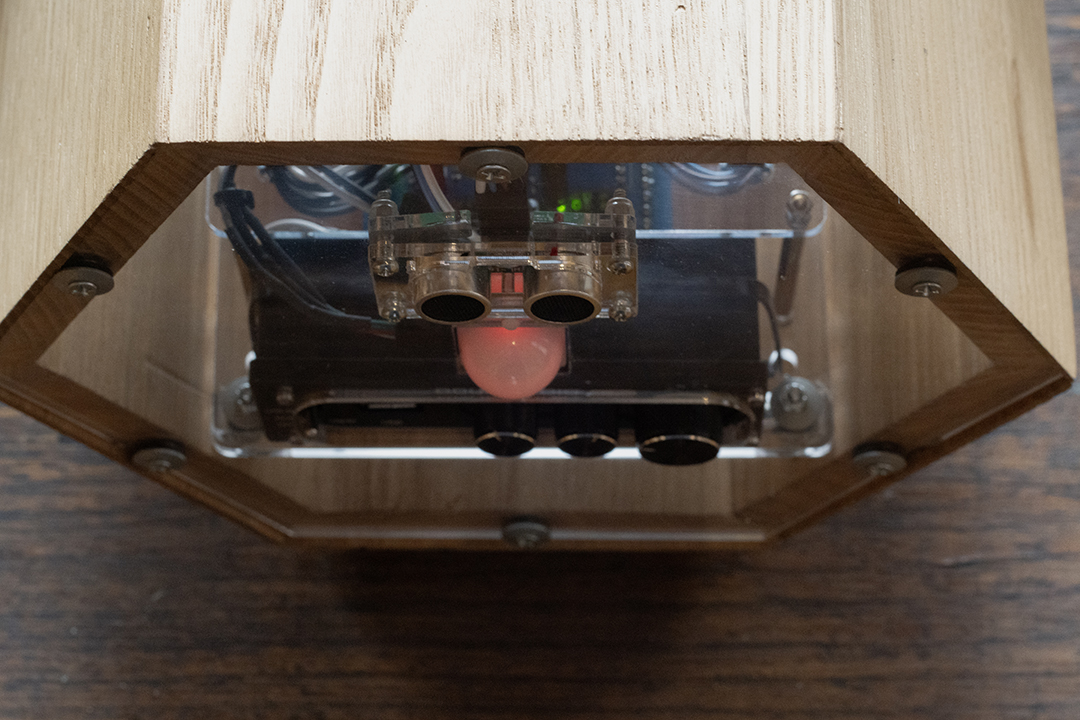
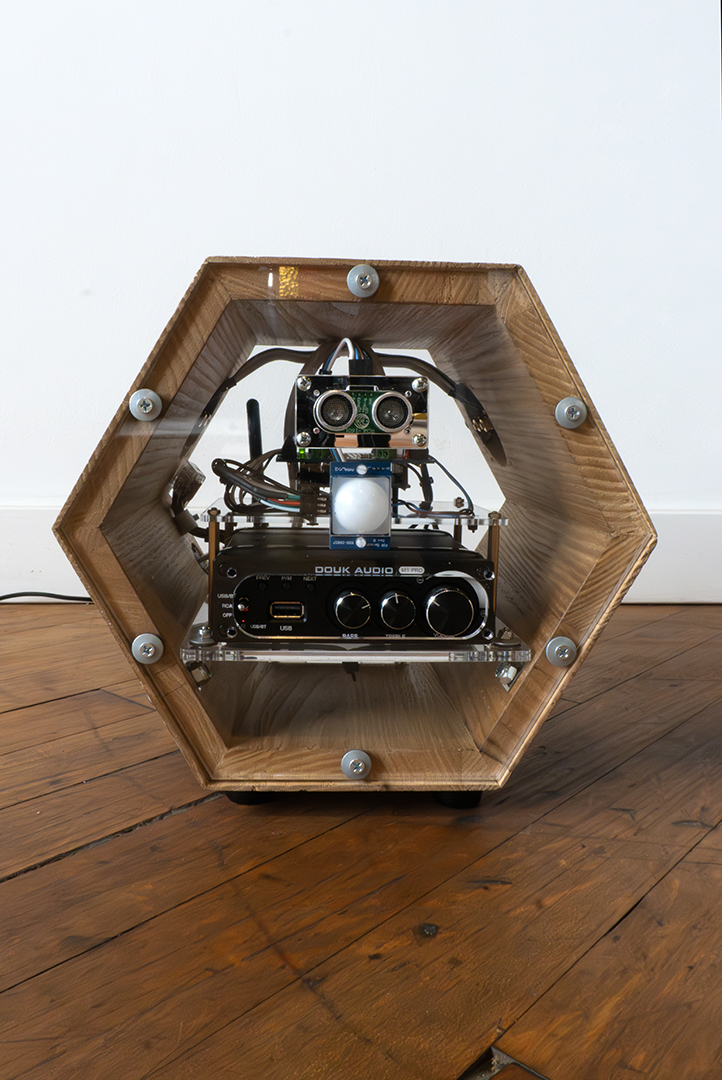
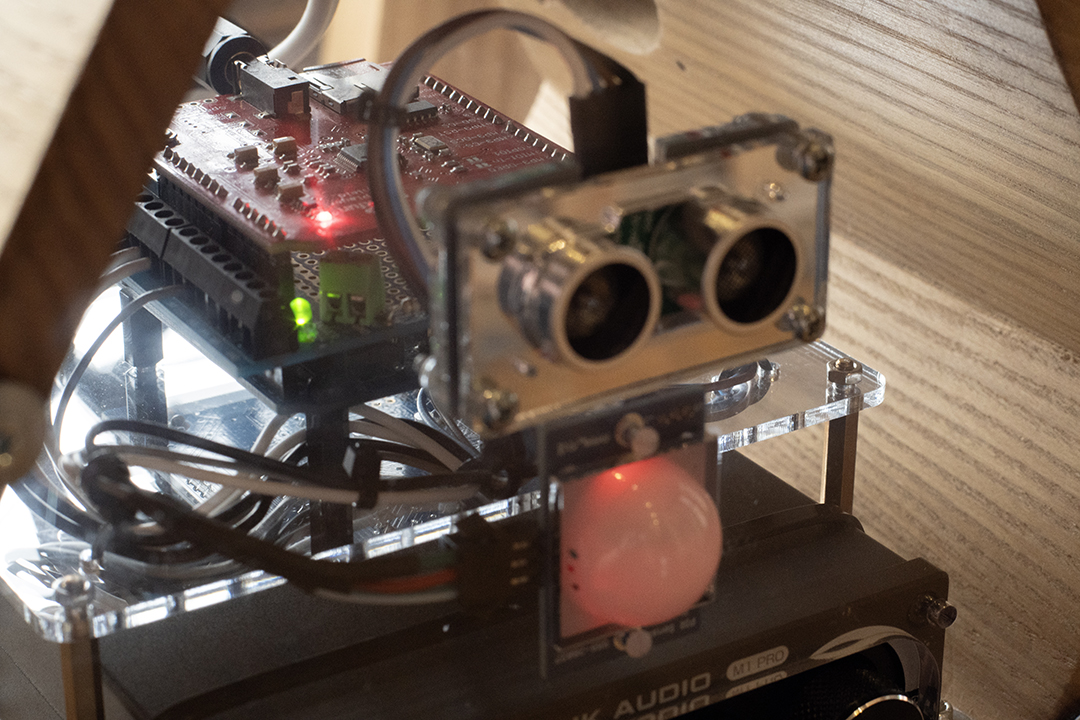
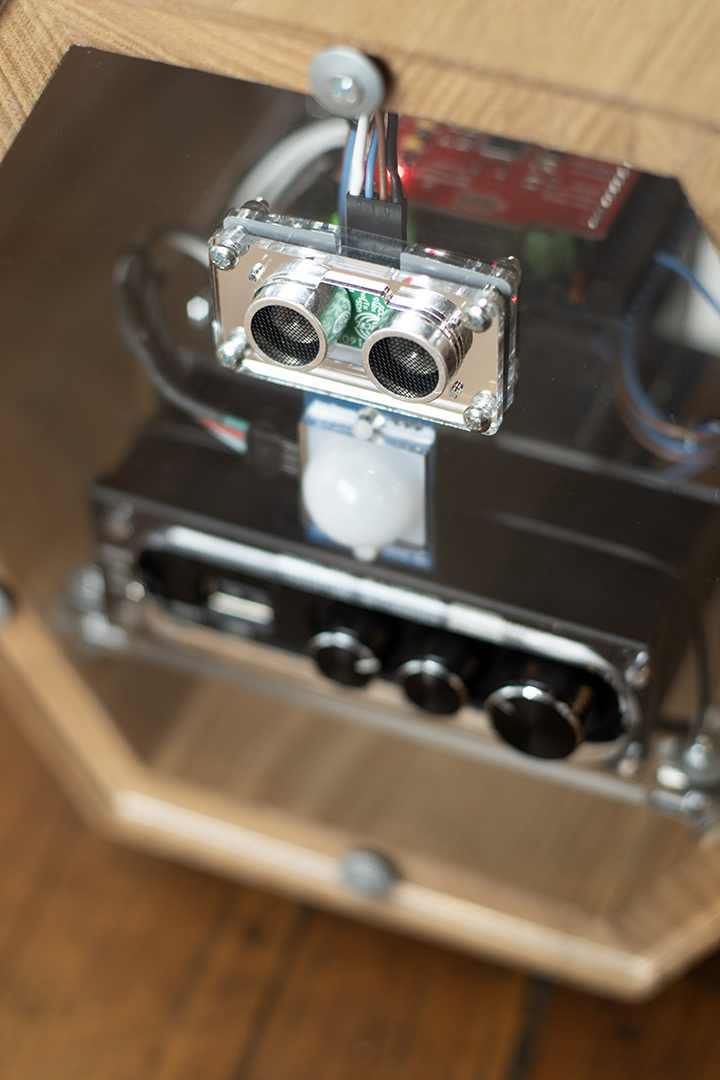
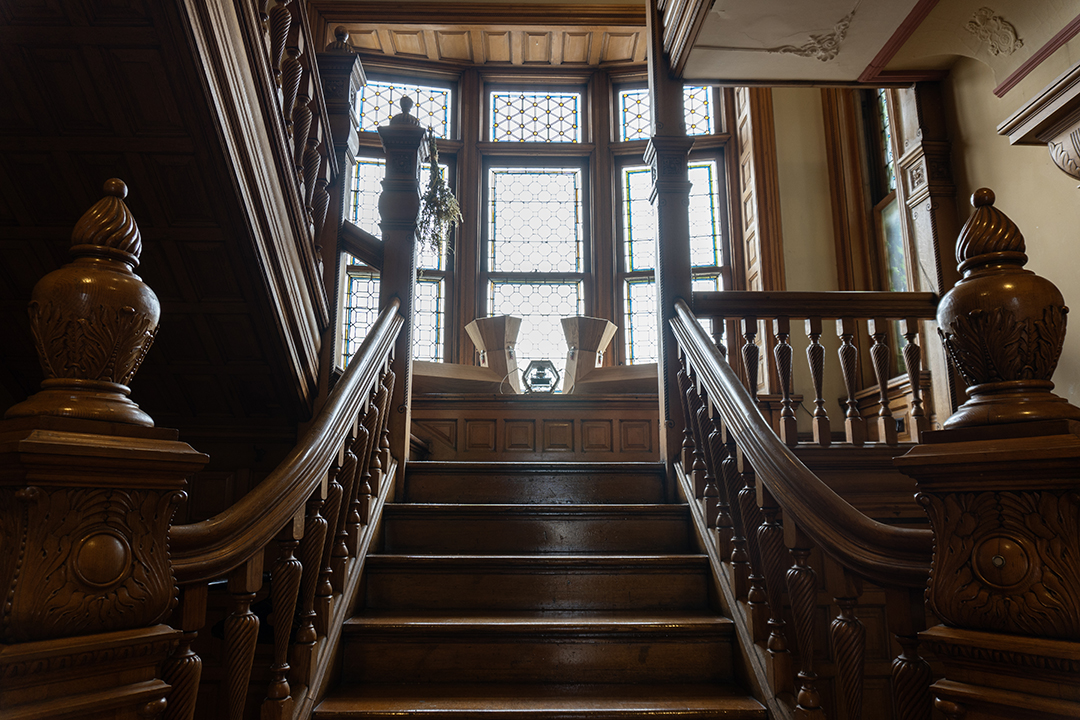
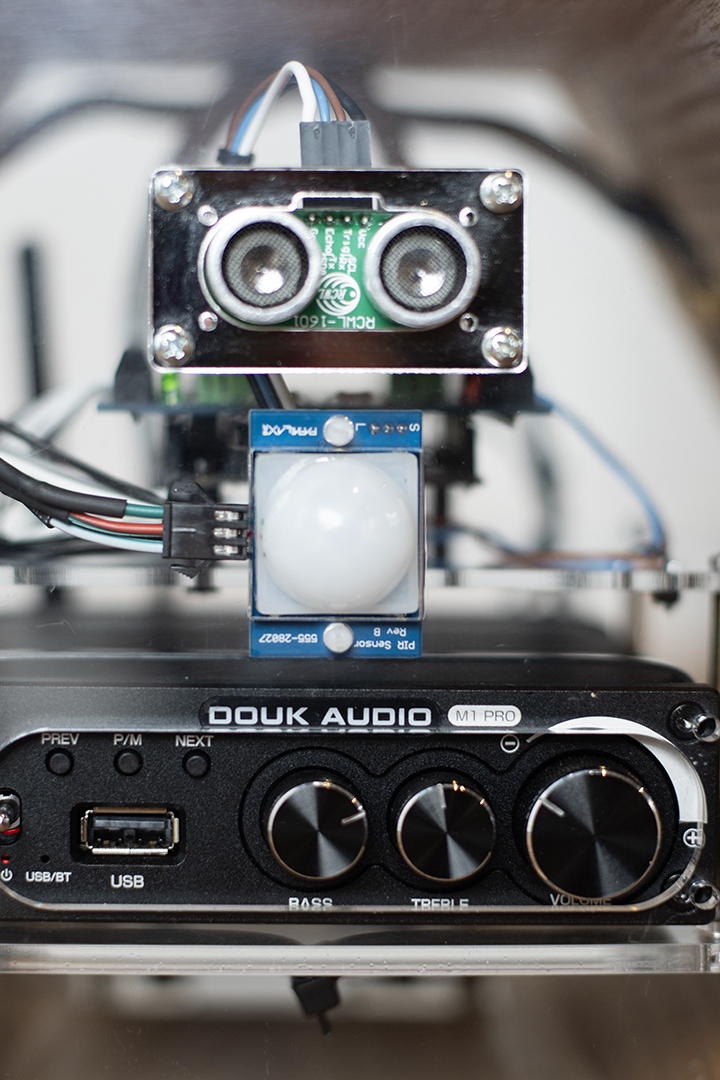
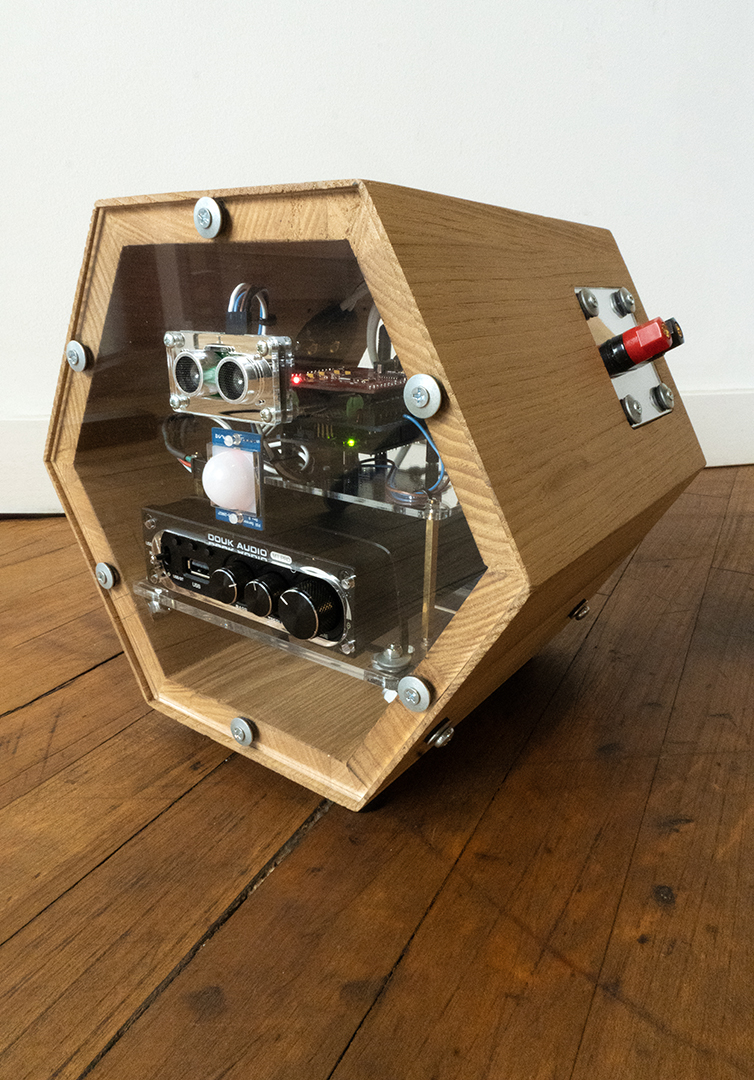
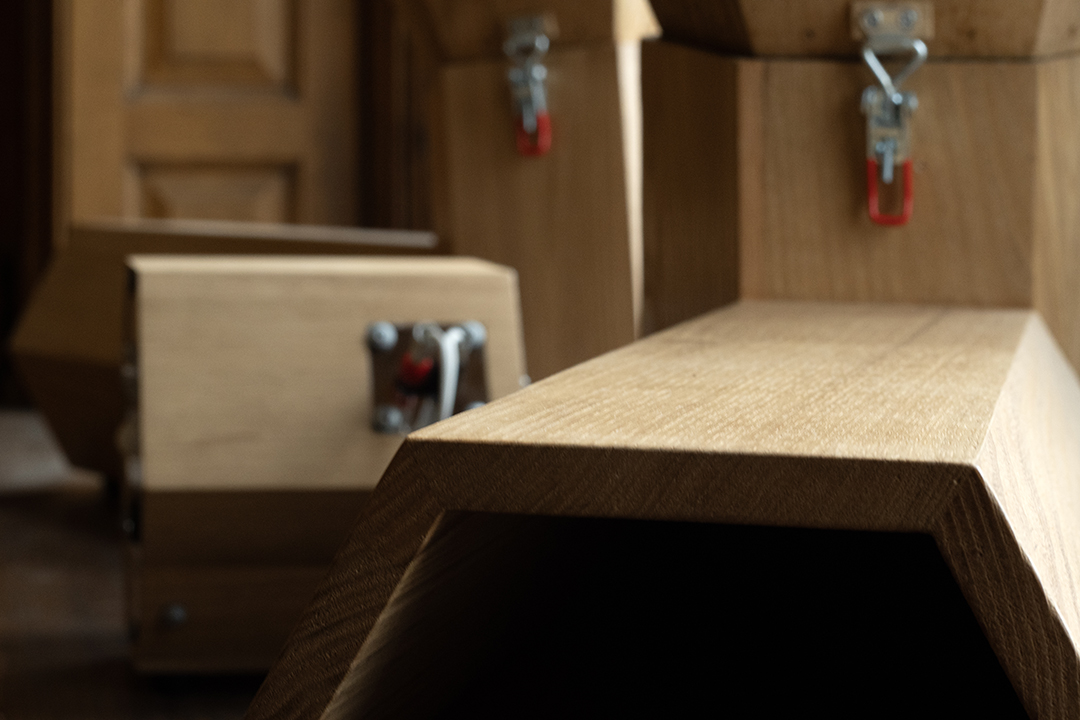
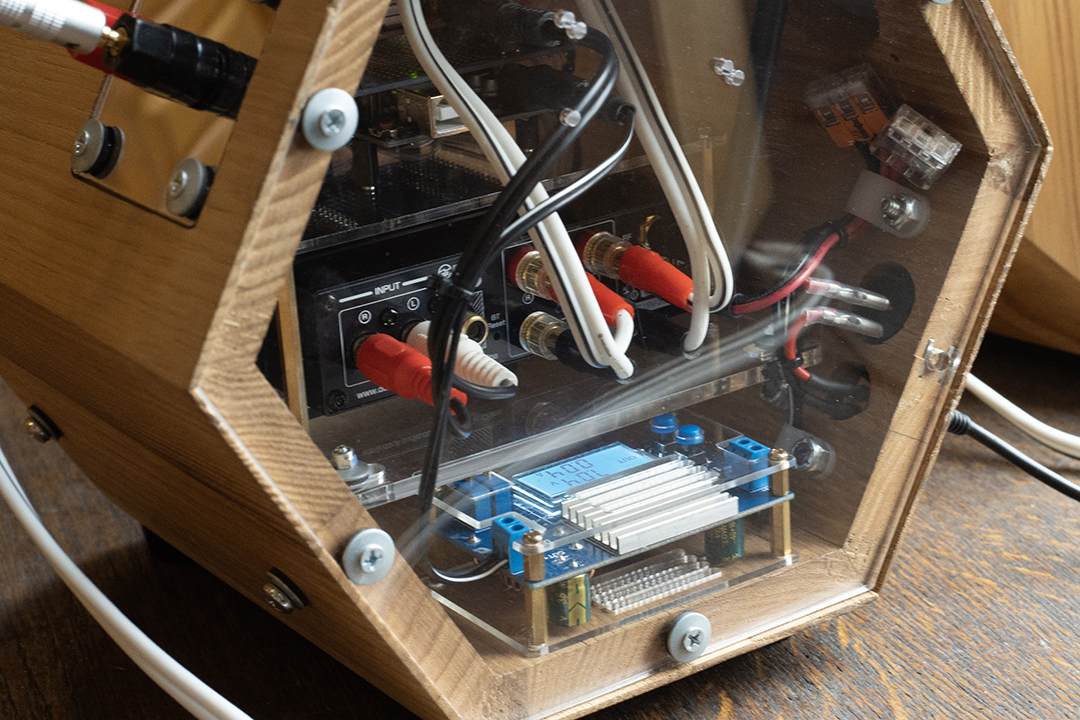
“The Translation Machine” is a sound installation & interspecies co-creation with honeybees. A set of wooden hexagonal tubes act as acoustic chambers for speakers that play recordings through honeycomb that cling to the inside of amplifying horns. When triggered by motion, the sculpture plays recordings taken from the artist’s global travels, with the volume increasing as the viewer gets closer to the honeycomb. This is achieved using an artist-programmed microcontroller, a passive infrared sensor, & sonar sensors housed in a hexagonal box at the sculpture’s center.
This piece discusses the oscillation between purpose & compromise, precision & chance, in which different ecosystems are presented with an opportunity to blend through adaptive problem-solving. It’s a study of the convergence of technology, nature, & humanity.
At first, collecting sounds wasn’t my main goal. As an artist, I often go on personal adventures to spark ideas or sit quietly while I think & create. For years, I’ve used photos & videos to document my process. Over time, I found that I could connect more deeply to sights, sounds, & smells by remembering them through an active archive. Soon, I started carrying a small field recorder as a daily habit, ready to record enriching or special moments.
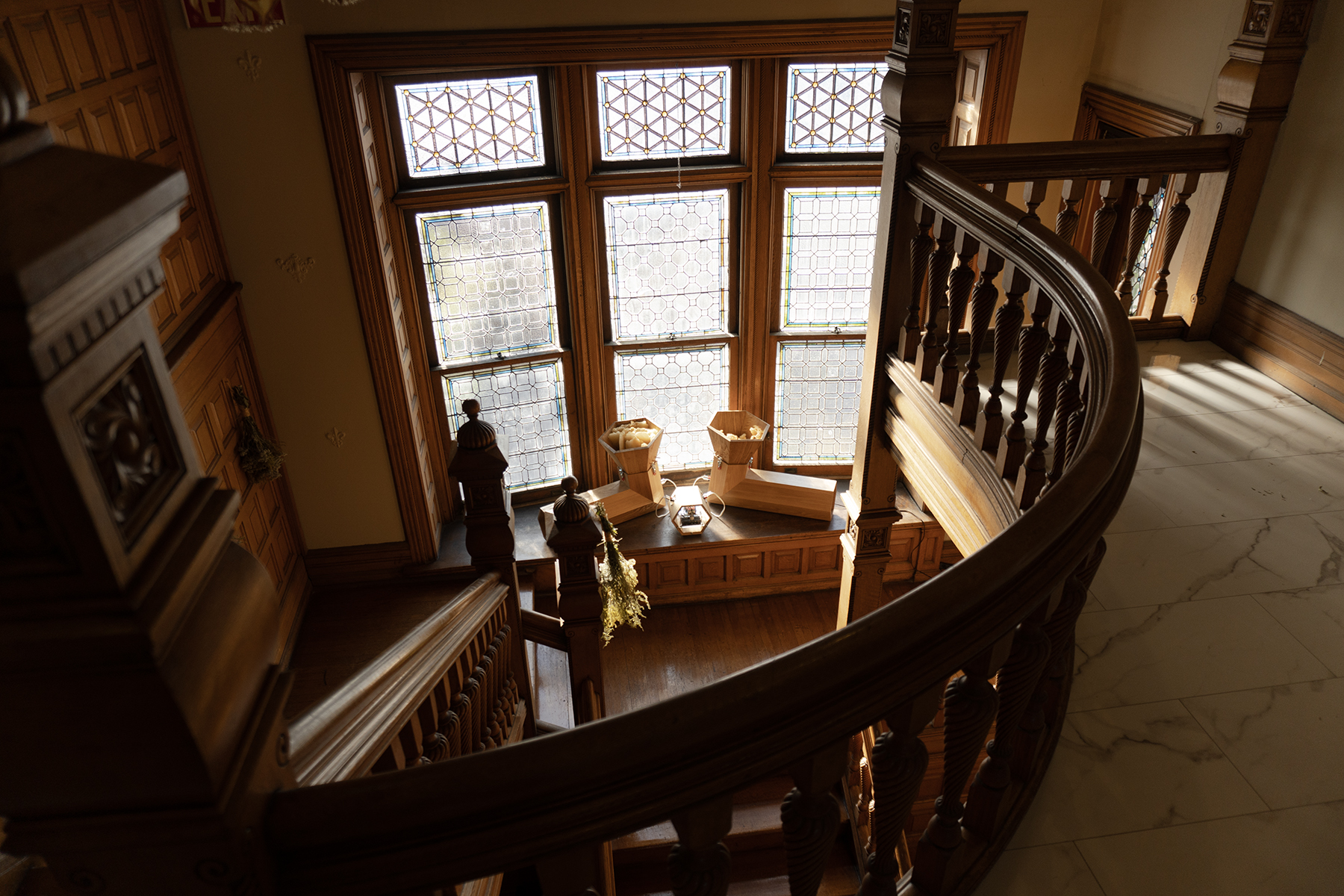
Recently, I’ve been reflecting on memory & time as ways to explore apathy, empathy, displacement, & adaptation. These ideas are extremely challenging, & it’s quite tough to find a clear answer within such complexity. In a larger sense, they are abstract self-portraits using technology.
Intentional listening required me to invest time & patience, grounding the experience in new ways. Normal moments came under close auditory examination, & significant memories became even richer. As I engaged with the world, my perspectives expanded, & my connections to global topics deepened. This piece, & others in this series of robotic installations, are dynamic. Unlike a static image, they can examine what recalibration feels, sounds, & looks like in real time.
If you’re interested in the full build process behind this sculpture, read the companion article here: Build Process – How Bees Helped Make A Sound Sculpture, “The Translation Machine”
Inspired by Nature: Mimicry, Biomimicry, & Polybiommicry
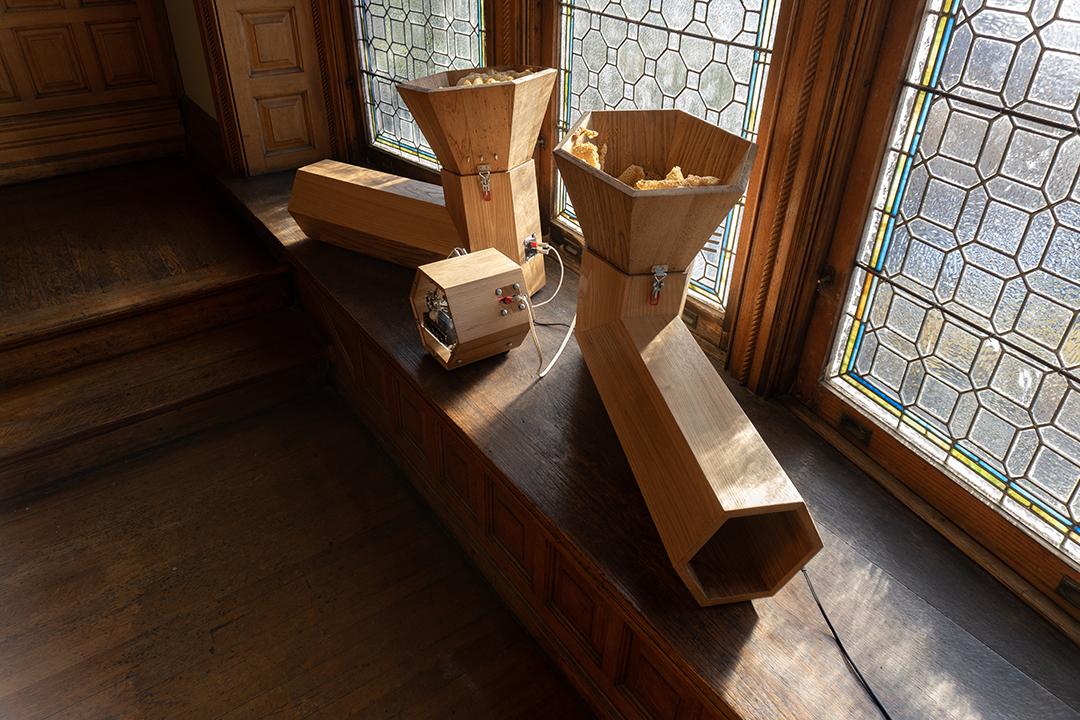
Clearly, the aesthetic designs are inspired by nature; The two speaker boxes resemble a flower, with the resonance chambers acting as a ‘stem’ & the amplification cones, the ‘blossom’. But why does the ‘blossom’ hold a network of honeycombs? And what of the control center that sits between the two, storing the sounds & computing the sensor data?
First, let’s talk about some cool tactics used in nature. Nature has derived all sorts of inventive ways to have other ecosystems aid its success. i.g. The harmless milk snake mimics the markings of the venomous coral snake to avoid predators, the alligator snapping turtle uses a pink, worm-like appendage on its tongue to lure prey, & some flowers trick insects into pollinating them through physical or scent mimicry.
This is called Mimicry: the ability of one species to closely resemble (mimic) another species or an object (model) in their surroundings, to gain an advantage.
And while we’re at it:
Biomimicry is a practice we use, that learns from & mimics the strategies used by living organisms to solve complex human or societal challenges; We look to plants, animals, & ecosystems for inspiration to solve complex human problems.
i.g. The structures on a gecko’s feet have led to a textured material that is super sticky without any sticky substances, a Swiss engineer was inspired by the tiny hooks & loops of the burdock plant burs to create Velcro, & scientists have created self-healing concrete using a bacteria bacillus that produces limestone.
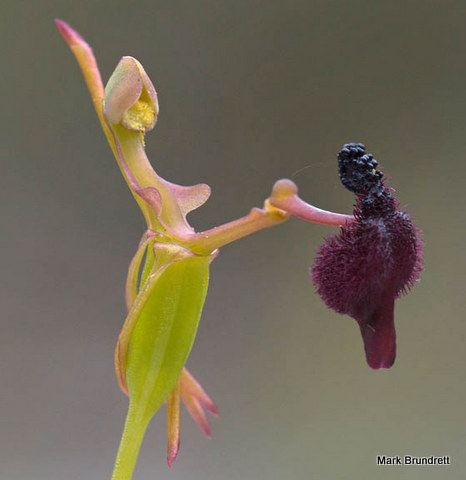
Flowers sometimes do this. The Drakaea Orchids look & smell like female flower wasps. When the flower wasps try to mate with them, they carry the orchid pollen elsewhere.
Likewise, the motive of “The Translation Machine” was inspired by the behaviors of mimic flowers—essentially, it’s a robot pretending to be a plant known for mimicking other living organisms to get people interested in more globally minded concepts.
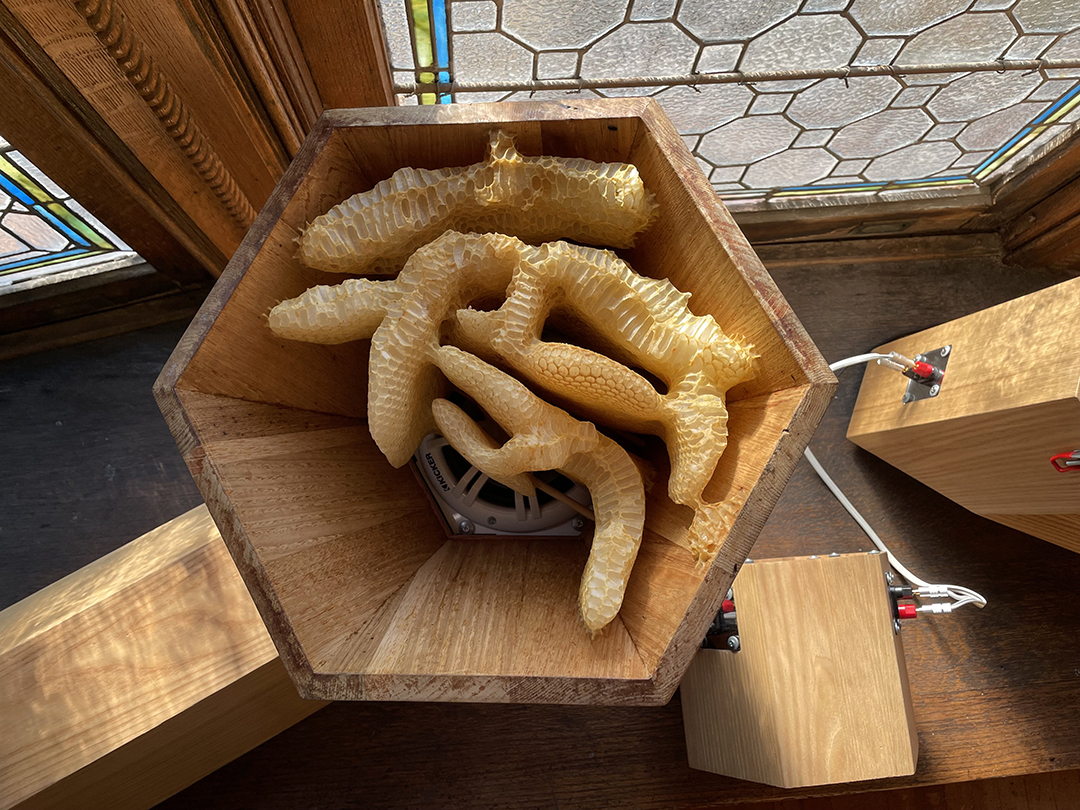
By attracting viewers into the piece with noticeable features (like sounds & then further enticing them with honeycomb in the amplification blooms), the piece achieves its real purpose, subtle persuasion. It connects participants to places & experiences they often dream of but might not truly connect with otherwise. Viewers are presented with their own personal glimpse into interesting moments, environments, & unique experiences from around the world. Rather than being confrontational, it gently uses viewers as hosts, who carry off new notions of global & ecological curiosity like seeds or pollen.
The goals, appearance, & physical actions of “The Translation Machine” double down on nature-based mimicry, an aim to secure the future of both the mimic & the model. I’m calling this polybiomimicry, as it layers multiple uses of such nature-based imitation & inspiration.
Combining Intent With Chance

This sculpture’s design combines constraints & chance. Using 3-D software & trigonometry, I drove the design from artist-set parameters & real-life measurements. Among a few applicable variables: are the size of the beehive boxes, sound resonance, variations in wood thickness, & the space needed for the bees to move. Even the most complex elements of the piece could be changed dynamically to fit new information. This is called parametric design.
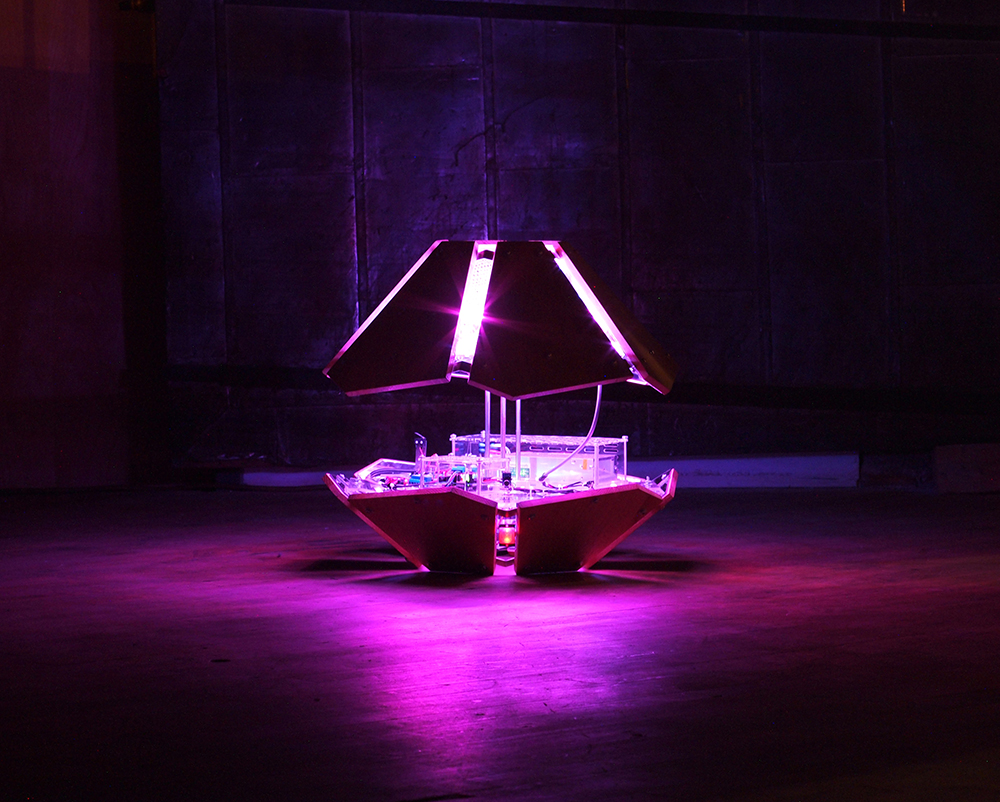
I intentionally designed my work to blend with the natural behaviors of honeybees. Combining precisely thought-out designs with environmental forces is something I’ve investigated before. In “The Shy Machine”, a robot mimics wilderness organisms, reacting to movements & sounds to show viewers how to become part of its ecosystem. In “The Circadian Machine”, a mirrored pod uses its location to run 52 light & sound programs based on the changing sunrise & sunset. The next step involves incorporating more data & collaborations from the environment.
Planning a variable result can only be directed, not controlled. Unlike the other work, including a completely different ecosystem, added the real chance of total failure. The bees might not take to the work at all, rendering an entire year’s worth of designs, building, & travel expenses completely useless. One such example: Weeks of unseasonably high summer temperatures caused the honeycombs to collapse in one of the amplification horns while it remained in the hives.

In many ways, this follows “The Memory Machine: Sound”, which has been on display at the Center of Science & Industry for the past few years. During its production, timing, scale, placement, & concepts were adjusted due to pandemic limitations. Since then, I’ve formed new partnerships, introduced more complex concepts, added more sounds through travel, & introduced new technical features.
An Eco-Minded Approach
I chose to build the parts included in the hives out of organic material to ensure they wouldn’t harm the bees. The golden brown wood, which comes from an old barn, had one side covered in thick paint & the other darkened by years of weather exposure. To continue this reclaimed theme, the clear & mirrored acrylic was laser cut from leftover pieces of another sculpture. The microcontroller & soundboard have also been used lightly in other projects. Even the templates for creating complex angles were made entirely from scrap materials & mostly reused screws.
A Collaborative Effort For a Good Cause + Exhibition
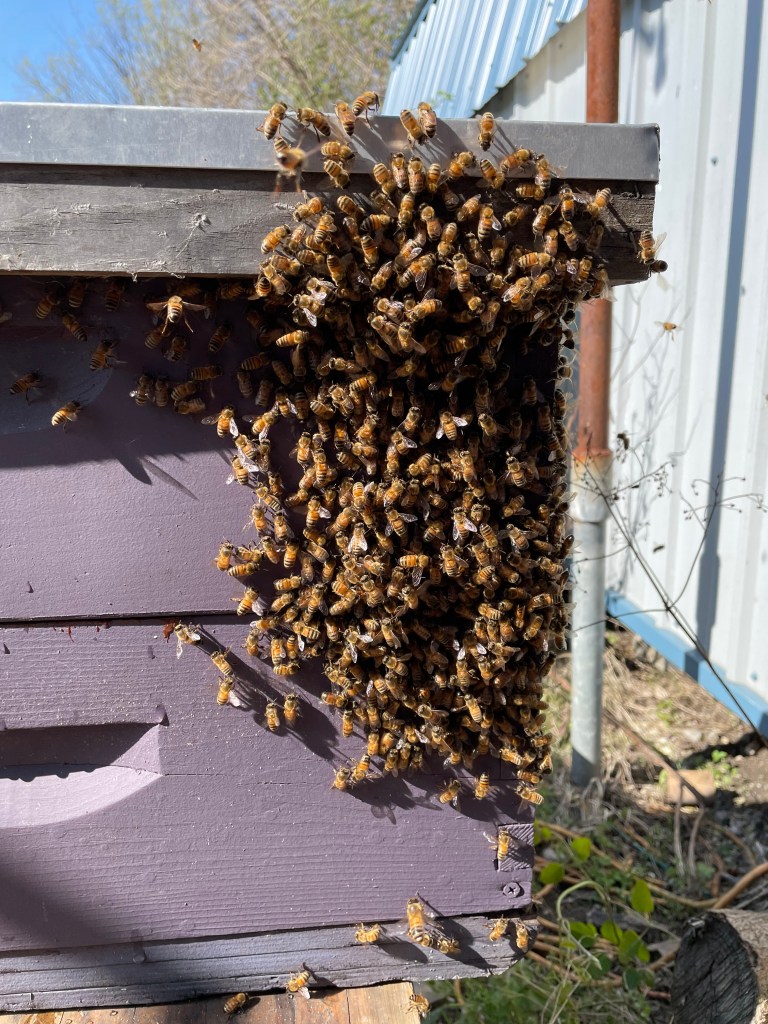
I’ve been working with Luke Howard, an American beekeeper & viral online advocate from The Bee Collective in Ohio (Instagram link here). The debut of “The Translation Machine” coincided with ‘Beecoming Home’, a collaborative gallery exhibit & educational outreach event focused on bees, nature, & culture. The exhibition’s mission, an ongoing experiment, continues to raise awareness for pollinator habitats in our urban areas. Together with a postdoctoral researcher from the University of Cambridge, Sarah Scott, they are raising recognition & funding for additional pollinator habitats in the region.
Luke & Sarah have been integral parts of this project. In the spring, I stood with Luke in a swarm of bees as he shifted them to a new hive. Shortly after, he placed part of my piece (the amplification horns) into the new hives & added some starter wax called foundation, where they remained throughout the summer. While I’ve been off collecting my sounds across the world to bring back to this piece, he looked after the actions of his bees, making many nuanced adjustments to the work so it has the best chance for success.
After serving as a vessel from which the colony could build their combs, the amplification horns were pulled out & joined with the acoustic boxes. Luke & Sarah were a wealth of information, candidly guiding me & answering my rudimentary questions with no judgment. They even helped me get nerdy with more abstract aspects like building in ‘bee space’ (the ideal gaps in a hive that bees need to move, regulate temperature, & protect from outside forces). It was amazing to listen as they discussed cutting-edge pollinator research.
I implore you to check out The Bee Collective or connect with your pollinator-friendly community. From my experience, you won’t be disappointed.
Materials
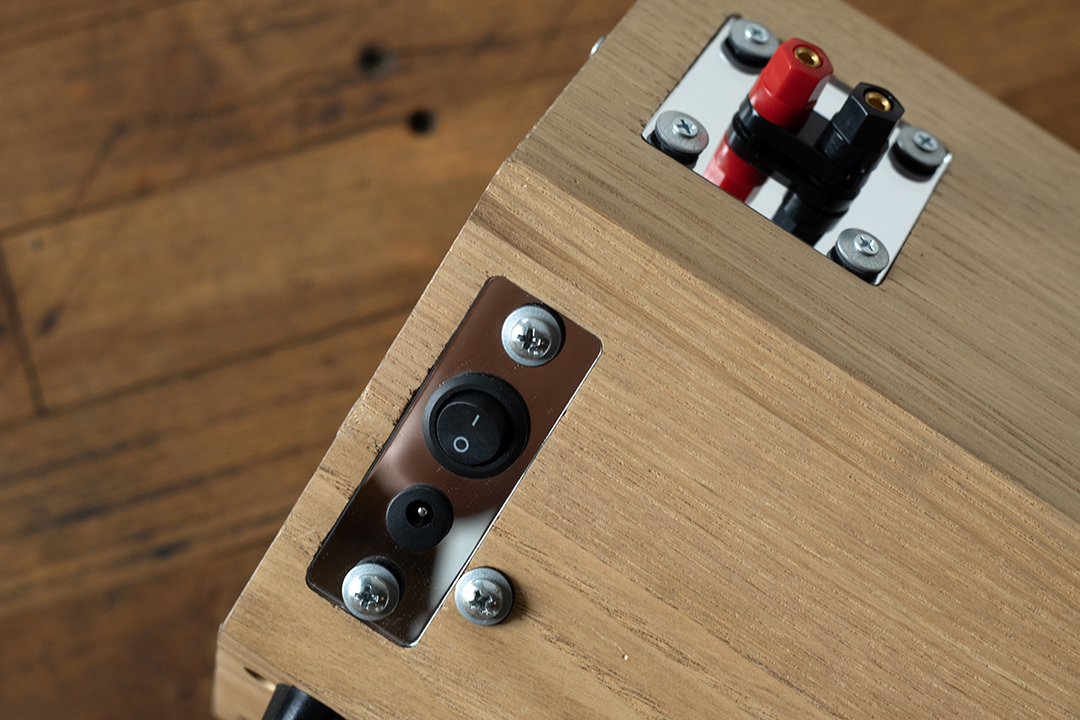
Reclaimed sassafras wood from a 150+-year-old barn, Arduino Uno R3 or compatible clone, SparkFun MP3 Player Shield, Parallax PIR Sensor, Ultrasonic Distance (sonar) Sensor, speakers, & audio amplifier.
Image Gallery




 Daric Gill