
by Daric Gill

Like any profession, artists can get burnt out. Whether you’re just coming out of the throes of all-nighter deadlines, you’ve lost a sense of inspiration, or rejection fatigue is raining on your clarity, it’s important to reflect & reset your internal dialog. Continue reading for 12 tips to reclaim your creativity from burnout.
To find a solution, it’s important to first isolate the problem.
Some common reasons for burnout are:
Overextending for deadlines, hyper-fixation with no breaks, being overwhelmed by expectations, repetitive tasks, clutter, putting self-care on the back burner, isolation, jealousy, perfectionism, rejection, & getting bored with your surroundings.
Now that we’ve looked at a few of the main reasons for burnout, let’s try to fix them.

- Take Breaks: Getting ‘in the zone’ takes time. But if you’re creative process needs a recharge, you might need to step back a little. Your brain, eyes, & artistic limbs need rest too. Additionally, taking a small break can often lead to a fresh perspective on the current task.
- Change Up the Creative Process: Speaking of a fresh perspective, try experimenting with different art processes & techniques. Learning a new skill or simply doing a familiar process differently can provide the right spark to rekindle your interest.
- Set Realistic Goals & Rewards: Unrealistic expectations can often stop an artist just shy of an achievement. While it is important to add to your skills & grow beyond your current situation, setting goals that are grossly outside of your skill level will only frustrate & overwhelm you. Achieving many smaller goals will compound into that large growth you’re looking for.
- Manage Tasks & Expectations: Break your process into more manageable tasks. One way to do this is by considering your workflow in phases of preparation, setup, production, & documentation; or concept creation, fabrication, & clean up. Itemize which tasks can be done in small chunks of time vs. which ones might take an afternoon or longer. Look at the large picture & divide it into phases. Then break down those sections further into smaller tasks.

- Change Your Setting: We’ve discussed taking breaks, changing up the creative process, & managing your tasks. Sometimes a change of scenery or working in a different space can be a part of those suggestions. Give yourself permission to go outside. Remote emails, designs, or online submissions can be done from a cafe. Bring a sketchbook to a nearby park or woods to flesh out ideas. Also, remember, it’s entirely okay to forego artmaking altogether to prioritize self-care in a place outside of the home/studio.
- Organize: Tidying up your workspace is a good way to feel less stress from your surroundings. Similarly, consider using a daily planner or calendar to tidy up the work-flow to-dos.
- Practice Self-Care: Take time to exercise, meditate, limit screen time, & get enough sleep. Schedule time each day for those non-art activities.
- Set Boundaries: Setting boundaries can help you promote a healthy life equilibrium. It’s how you maintain a work-life balance, set up time for family, encourage friendships, promote appropriate screen time or media influence, & remove toxicity from your focus. Preventing burnout from seeping into your personal life requires the courage & confidence to set your boundaries & stick to them.
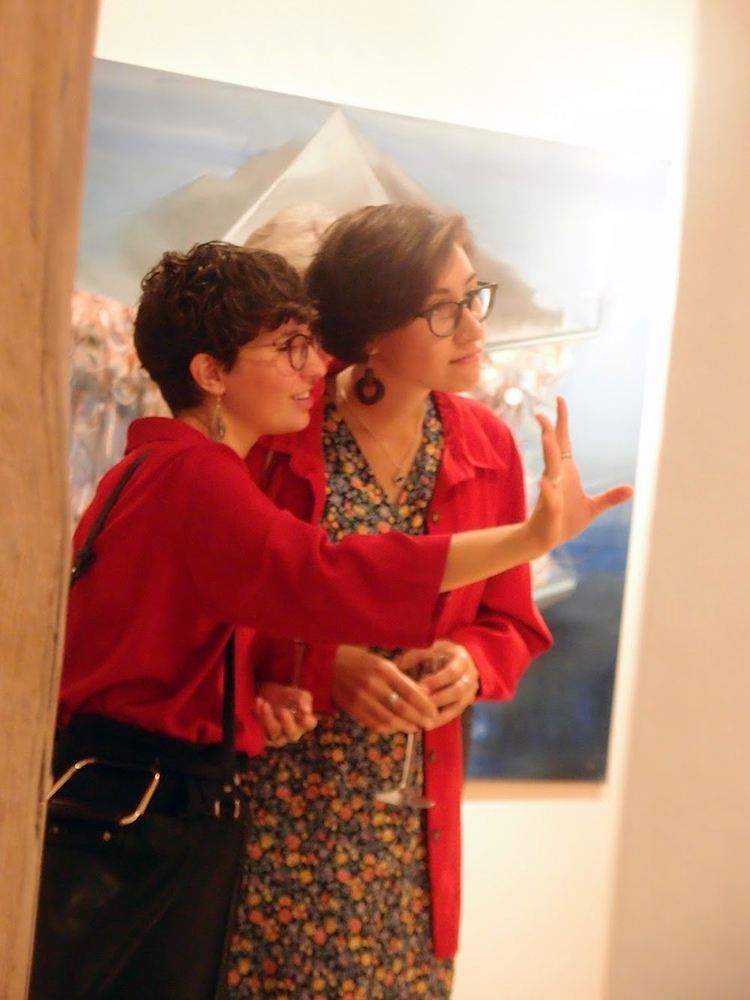
- Reconnect With Friends & Other Artists: Attend nearby gallery openings, join online or in-person artist communities for discussions, or reach out for a night out with friends. Take a night off of your personal work to do something creative, but unimportant, with other artists. Be honest about your needs & ask for feedback if you want it. Or let them know you just want to vent over drinks. You should also take time to have a non-art life. Reconnect with your regular friends. Share time & listen to stories about their lives too.
- Limit Comparisons & Perfectionism: A lot of artists suffer from envy, which heightens the need for extreme perfectionism. Obsessively comparing your work or success to others helps no one. Your growth is individually measured against who you were, compared to who you are now. The growth or success of another person does not minimize your own. Do the best you can, for who you are now. Every achievement is fueled by past mistakes that were corrected or embraced. Take the moment to send encouragement to others. They need support too & it’s often a 2-way street.

- Respect Rejection: A career in the arts is one of the rare occupations, where the entire process from original concept creation to technique & execution, is open for public judgment. This continues to the submission of one’s ideas for performances, exhibitions, awards, representation, or sales opportunities. You will get rejected — A lot. Rejection fatigue is a real thing & it should be respected. It’s important to acknowledge how the rejection makes you feel. But it’s equally important to find a way through it. Don’t let it paralyze your motivation. You are not alone. Even the highest caliber of artists get rejected. Being rejected means that you’ve also been seen. That’s important. Take criticism only from people you’d also take their advice. Evaluate if you’re hitting the right audience. Rejections commonly happen for a number of reasons outside of your control (ratio of applicants to acceptance, juror biases, submission software glitches, internal politics, similar work, space considerations, preferred price points, etc.). Balance your rejections with gratefulness & reminders of recent success, even if they are small.
- Do Something For Others: If nothing seems to be working, consider doing something beyond yourself. Volunteer, help others with their artistic endeavors, teach your skills to people who want them, mentor someone, or foster connections between people with the explicit goal of growing their lives for the better. This can help us feel more connected to our community, realign our awareness of the lives around us, garner a different perspective, bolster self-esteem, and provide stewardship using otherwise wasted time.
If you’ve found this article helpful in any way, please pass it or the lessons you’ve learned to your friends. A rising tide lifts all boats. Together, we can help build each other up.
You can find more free articles like this on my Artist Resource page. My mission is to provide free and accessible tools for artists, educators, and enthusiasts. I encourage you to share and refer people here as often as you wish. Naturally, these articles take many hours to thoroughly research and write. If you’d like to support me as an artist and advocate, please consider donating whatever you can. Thank you!

 Daric Gill